The global culinary landscape is a fascinating tapestry of flavors, and few dishes illustrate this better than the humble tofu pudding (known as douhua in Chinese). This silky, delicate dish has sparked one of the most enduring gastronomic debates: should it be served sweet or savory? The answer, as it turns out, depends entirely on where you are in the world.
In northern China, particularly in regions like Beijing and Shandong, tofu pudding is almost exclusively savory. Served warm in a light soy sauce broth, it’s topped with ingredients like pickled vegetables, dried shrimp, chili oil, and sometimes even minced meat. The flavor profile is umami-rich, with a balance of saltiness and spice. This version is often eaten as a breakfast item or a light meal, embodying the northern preference for hearty, savory flavors.
Travel south to Fujian or Guangdong, however, and the dish transforms entirely. Here, sweet tofu pudding reigns supreme. Served chilled or warm, it’s drizzled with syrups made from ginger, brown sugar, or pandan leaves, and often paired with red beans, taro, or fresh fruit. The texture remains silky, but the experience is decidedly dessert-like. This reflects the southern Chinese love for subtle sweetness in their snacks, a trait shared with many Southeast Asian cultures.
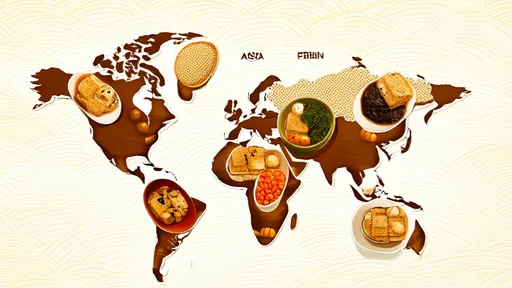
Beyond China, the sweet-savory divide takes even more intriguing turns. In Japan, tofu pudding (tofu no dessert) is almost always sweet, served with matcha syrup, kuromitsu (black sugar syrup), or sweetened red bean paste. The Japanese version emphasizes the purity of the soybean flavor, with sweetness acting as a delicate complement rather than an overpowering element. Meanwhile, in Korea, sundubu (soft tofu) is used in spicy stews, but a sweet, jiggly version called soondubu-jjim exists as a rare dessert, often flavored with honey or fruit.
In Southeast Asia, the sweet variations dominate. Malaysian and Singaporean tau fu fa is served with palm sugar syrup or coconut milk, while Filipino taho—a street food staple—combines warm tofu pudding with caramelized sugar syrup and sago pearls. The Vietnamese tàu hũ nước đường takes it further, sometimes incorporating coconut milk or ginger-infused syrup. These versions highlight the region’s affinity for desserts that balance richness with refreshing lightness.
Interestingly, the savory interpretation finds its strongest foothold outside Asia in places like Mexico, where a dish called queso de soya (soy cheese) is served with savory toppings like salsa verde or chili powder. This adaptation, likely influenced by Chinese immigrants, demonstrates how tofu pudding absorbs local flavors while retaining its essential character.
The divide isn’t just about taste—it’s deeply cultural. In regions where tofu pudding is sweet, it’s often associated with comfort, nostalgia, and ritual (like the Filipino morning taho vendors). Where it’s savory, it’s tied to notions of sustenance and everyday nourishment. The dish’s versatility lies in its neutral base, which acts as a canvas for regional identity.
Perhaps the most fascinating aspect is how steadfast these preferences are. A survey of Chinese communities worldwide shows that immigrants overwhelmingly maintain their regional tofu pudding traditions, even after generations abroad. A Beijing native in New York will still crave that salty, spicy bowl, while a Cantonese family in London will seek out the sweet version. It’s a culinary loyalty that transcends geography.
As global palates become more adventurous, fusion versions are emerging. Some cafes in cosmopolitan cities now offer "bi-polar douhua"—half sweet, half savory—catering to curious foodies. Yet, the traditionalists need not worry; the heart of this dish remains firmly rooted in its origins. Whether you’re team sugar or team soy sauce, one thing is clear: tofu pudding is a dish that tells a story, one delicious spoonful at a time.

By /Jul 7, 2025
By /Jul 7, 2025
By /Jul 7, 2025
By /Jul 7, 2025

By /Jul 7, 2025

By /Jul 7, 2025

By /Jul 7, 2025
By /Jul 7, 2025

By /Jul 7, 2025

By /Jul 7, 2025

By /Jul 7, 2025

By /Jul 7, 2025

By /Jul 7, 2025

By /Jul 7, 2025

By /Jul 7, 2025

By /Jul 7, 2025

By /Jul 7, 2025

By /Jul 7, 2025

By /Jul 7, 2025

By /Jul 7, 2025
