In the world of culinary arts, where chefs constantly push boundaries to create visually stunning and palate-pleasing dishes, a new trend has emerged that combines precision, artistry, and an almost unimaginable level of detail. Welcome to the realm of micro-sculpted sushi, where grains of rice become canvases for microscopic masterpieces.
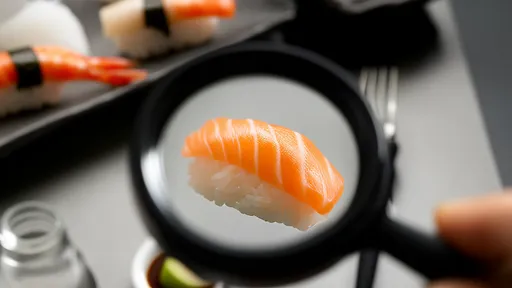
The concept of micro-sculpting food isn't entirely new, but its application to sushi has taken the art form to unprecedented levels. Using specialized tools typically reserved for watchmakers and micro-engineers, a small but growing community of sushi artisans are creating edible artworks that challenge our perception of what's possible in food presentation. These creations are so minute that they often require magnification to be fully appreciated, yet they maintain all the traditional flavors and textures of classic sushi.
At the heart of this movement is a fascinating intersection of traditional Japanese culinary techniques and cutting-edge micro-artistry. The process begins with selecting the perfect grain of sushi rice - each one carefully inspected for size, shape, and structural integrity. Under microscopic guidance, artists then employ needles finer than human hairs to shape and decorate these tiny edible canvases. Some create miniature landscapes, while others reproduce famous artworks or even portrait likenesses on the surface of a single grain.
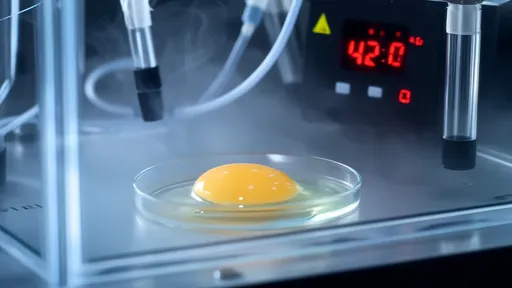
The tools of this trade are as specialized as the art form itself. Modified dental instruments, micro-soldering equipment, and high-precision magnifying apparatuses have become standard in the workshops of micro-sushi artists. The working environment must be meticulously controlled - temperature and humidity fluctuations can ruin hours of painstaking work by causing the rice to expand or contract minutely.
What makes this art form particularly remarkable is that despite its microscopic scale, it remains true to the principles of sushi-making. The rice is still properly seasoned with vinegar, sugar, and salt. The accompanying elements - whether it's a nearly invisible sliver of fish or a microscopic dot of wasabi - maintain their authentic flavors. This commitment to culinary integrity while pursuing artistic innovation sets micro-sushi apart from other food art trends.
The creation process for a single piece can take anywhere from several hours to multiple days. Artists speak of entering a meditative state as they work, their breathing controlled to prevent even the slightest tremor from disrupting their delicate manipulations. The learning curve is notoriously steep - aspiring micro-sushi artists typically spend months practicing on individual grains before attempting more complex designs.
This emerging art form has begun attracting attention beyond culinary circles, drawing interest from technology companies studying its precision techniques and art collectors who see these edible pieces as a new form of temporary art. Some particularly elaborate creations have been preserved in resin, allowing them to be displayed long after their edible components would have naturally degraded.
Critics of the trend argue that it represents the ultimate in food as spectacle rather than sustenance, but proponents counter that it celebrates sushi's artistic heritage while pushing it into new creative territory. In many ways, micro-sculpted sushi serves as a metaphor for Japanese culture itself - maintaining deep respect for tradition while embracing innovation and technological advancement.
The market for these miniature masterpieces remains niche but growing. Exclusive sushi bars in Tokyo and New York have begun offering micro-sushi tasting menus, where diners use magnifying glasses to appreciate their meals before consumption. Prices reflect the extraordinary labor involved, with single pieces commanding prices that would buy entire omakase meals at conventional sushi establishments.
As the art form evolves, artists are experimenting with new techniques and presentations. Some create thematic collections where multiple grains form a larger picture when arranged together. Others incorporate luminescent elements visible only under black light. A particularly avant-garde approach involves creating micro-sushi that changes appearance when exposed to different temperatures, playing with the dynamic nature of food as a medium.
Beyond its artistic merits, micro-sushi has practical implications for the culinary world. The techniques developed for handling and manipulating food at this scale are finding applications in molecular gastronomy and food science. Some researchers believe these methods could lead to new approaches to nutrition delivery or sustainable food production in the future.
The psychological impact of eating micro-sushi is another area of interest. Diners report a heightened awareness of flavors and textures when consuming food in such minute quantities with such focused attention. This mindful eating experience stands in stark contrast to today's fast-food culture, offering what some describe as a form of edible meditation.
As with any emerging art form, micro-sushi faces challenges in preservation and documentation. Photographing these pieces requires specialized macro photography equipment, and even then, much of the detail can be lost in translation to two-dimensional images. Some artists have turned to 3D scanning technology to create digital records of their work, while others embrace the ephemeral nature of their creations.
The future of micro-sculpted sushi remains uncertain but undoubtedly fascinating. Will it remain an exclusive art form practiced by a handful of specialists, or will technological advancements make the techniques more accessible? However it develops, this remarkable fusion of culinary skill and microscopic artistry has already expanded our understanding of what's possible at the intersection of food and art.
For now, micro-sushi stands as a testament to human creativity and patience - a reminder that beauty and innovation can be found in the most unexpected places, even on the surface of a single grain of rice. In a world that often values quantity over quality and speed over craftsmanship, these miniature masterpieces invite us to slow down, look closer, and appreciate the extraordinary detail that can exist in something as seemingly simple as sushi.

By /Jul 7, 2025
By /Jul 7, 2025
By /Jul 7, 2025
By /Jul 7, 2025

By /Jul 7, 2025
By /Jul 7, 2025

By /Jul 7, 2025
By /Jul 7, 2025

By /Jul 7, 2025
By /Jul 7, 2025
By /Jul 7, 2025

By /Jul 7, 2025

By /Jul 7, 2025

By /Jul 7, 2025
By /Jul 7, 2025

By /Jul 7, 2025

By /Jul 7, 2025
By /Jul 7, 2025

By /Jul 7, 2025

By /Jul 7, 2025
