High-intensity interval training (HIIT) has surged in popularity over the past decade, celebrated for its efficiency in burning calories and improving cardiovascular health. However, as with any form of intense physical activity, HIIT carries inherent risks that must be carefully managed to prevent injury and ensure long-term benefits. Understanding these risks and implementing proper safety measures can make the difference between a productive workout and a debilitating setback.
The allure of HIIT lies in its promise of maximum results in minimal time. Short bursts of all-out effort followed by brief recovery periods push the body to its limits, triggering adaptations that enhance endurance and metabolic rate. Yet, this very intensity is what makes HIIT potentially hazardous. Unlike steady-state cardio, which allows the body to gradually adjust to exertion, HIIT demands rapid shifts between extreme effort and rest, placing sudden stress on the cardiovascular system, muscles, and joints.
One of the most significant risks associated with HIIT is the potential for cardiovascular strain. While HIIT can improve heart health over time, individuals with undiagnosed heart conditions may face severe consequences. The abrupt spikes in heart rate during high-intensity intervals can trigger arrhythmias or even cardiac events in susceptible individuals. This is particularly concerning for those who dive into HIIT without prior medical clearance, assuming their general fitness level guarantees safety.
Musculoskeletal injuries are another common pitfall of improper HIIT training. The explosive movements often incorporated in HIIT—such as box jumps, burpees, or sprinting—place tremendous stress on tendons and ligaments. Without adequate preparation or proper form, participants risk everything from minor sprains to serious tears. Overuse injuries also loom large, especially when enthusiasts fail to balance HIIT with sufficient recovery time, mistakenly believing that more frequent sessions equate to faster progress.
Dehydration and overheating present additional challenges during HIIT workouts. The intense nature of these sessions leads to rapid fluid loss through sweat, while the focus on pushing through discomfort may cause individuals to ignore early warning signs of heat exhaustion. Unlike endurance sports where hydration breaks are built into the activity, HIIT’s structure often discourages pausing, increasing the risk of heat-related illnesses in warm environments or during prolonged sessions.
Beyond physical risks, the psychological pressure surrounding HIIT can be detrimental. The culture of "no pain, no gain" prevalent in many HIIT communities encourages participants to disregard their body’s signals, fostering a mindset where pushing beyond reasonable limits is celebrated. This attitude not only elevates injury risk but can also lead to burnout or exercise aversion, undermining the very goals HIIT aims to achieve.
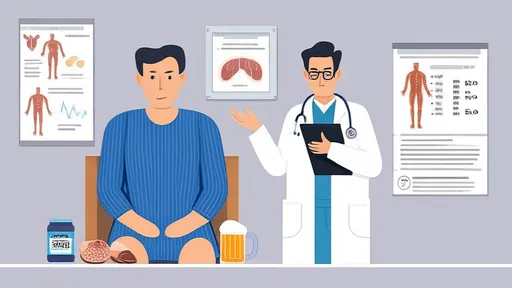
Effective risk management begins with proper screening. Before embarking on a HIIT regimen, individuals should undergo thorough health assessments, especially if they have preexisting conditions or sedentary backgrounds. Even apparently healthy individuals can harbor undiagnosed issues that HIIT might exacerbate. Medical professionals can identify potential red flags and recommend appropriate modifications or alternative training methods when necessary.
Progressive overload is crucial when introducing the body to HIIT. Rather than mimicking advanced routines found online, beginners should start with lower-intensity intervals and gradually increase difficulty as their fitness improves. This approach allows connective tissues and cardiovascular systems to adapt safely, reducing the likelihood of overuse injuries or systemic overload. Coaches and trainers play a vital role in pacing this progression, ensuring clients don’t advance faster than their bodies can handle.
Technique perfection must precede intensity. Many HIIT injuries stem from poor form under fatigue—when participants sacrifice alignment for speed or power. Investing time in mastering movement patterns at slower speeds pays dividends when intensity increases. Quality trainers will prioritize proper mechanics over workout completion speed, stopping participants when form deteriorates significantly, regardless of how many intervals remain.
Recovery is not optional; it’s integral to HIIT’s effectiveness and safety. The physiological benefits of HIIT occur during the repair and adaptation phases following the workout, not during the session itself. Skimping on sleep, nutrition, or active recovery days hampers these processes while accumulating fatigue that heightens injury risk. Smart programming alternates HIIT days with lower-intensity activities or complete rest, allowing the body to rebuild stronger than before.
Environmental factors require careful consideration when planning HIIT sessions. Unlike gyms with controlled climates, outdoor HIIT exposes participants to temperature extremes, uneven surfaces, and other variables that can transform manageable risks into genuine dangers. Adapting workout intensity based on weather conditions, ensuring proper footwear for the training surface, and having emergency hydration available are simple measures that prevent avoidable complications.
Perhaps most importantly, fostering a culture that values listening to one’s body over arbitrary performance metrics can dramatically improve HIIT safety. Pain is not gain—it’s a warning. Encouraging participants to distinguish between productive discomfort and harmful strain creates sustainable training habits. When combined with proper programming, technique focus, and recovery protocols, this mindset allows individuals to reap HIIT’s benefits while minimizing its risks.
The conversation around HIIT must evolve beyond its celebrated efficiency to address its responsible implementation. As research continues to uncover both the advantages and potential dangers of high-intensity training, participants and professionals alike must prioritize safety alongside results. With proper precautions, HIIT can be an incredibly effective tool—but like any powerful tool, it demands respect and careful handling to prevent misuse.

By /Jul 14, 2025

By /Jul 14, 2025

By /Jul 14, 2025

By /Jul 14, 2025

By /Jul 14, 2025

By /Jul 14, 2025

By /Jul 14, 2025

By /Jul 14, 2025

By /Jul 14, 2025
By /Jul 14, 2025

By /Jul 14, 2025

By /Jul 14, 2025

By /Jul 14, 2025

By /Jul 14, 2025

By /Jul 14, 2025

By /Jul 14, 2025

By /Jul 14, 2025
By /Jul 14, 2025

By /Jul 14, 2025

By /Jul 14, 2025
