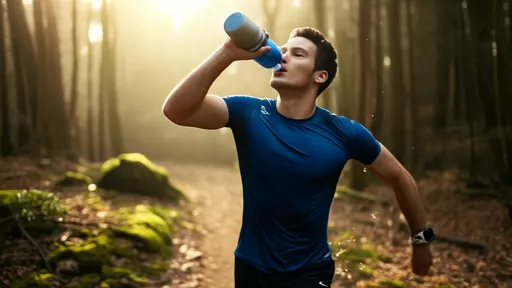
Maintaining proper hydration and electrolyte balance is crucial for athletes and fitness enthusiasts. The human body relies on a delicate equilibrium of fluids and minerals to perform at its peak during physical activity. When this balance is disrupted, performance suffers, and the risk of adverse health effects increases. Understanding the science behind fluid and electrolyte replacement can help individuals optimize their workouts and recovery.
The Physiology of Sweat and Electrolyte Loss
Sweating is the body's natural cooling mechanism, but it comes at a cost. As perspiration evaporates from the skin, it takes with it not just water but also essential electrolytes like sodium, potassium, magnesium, and chloride. These minerals play critical roles in muscle function, nerve signaling, and fluid balance. The rate of electrolyte loss varies depending on factors such as exercise intensity, duration, environmental conditions, and individual physiology.
Heavy sweaters or those exercising in hot climates may lose significant amounts of sodium—the primary electrolyte in sweat—sometimes as much as 1,000 mg per liter of sweat. Potassium losses, while smaller in quantity, are equally important due to this mineral's role in preventing muscle cramps and maintaining proper heart function. Magnesium depletion can lead to muscle twitches and impaired recovery, while chloride works closely with sodium to maintain fluid balance.
The Hydration-Electrolyte Equation
Traditional wisdom suggested that plain water was sufficient for rehydration during exercise. However, sports science has revealed that replacing electrolytes is equally important, especially during prolonged physical activity. The hydration-electrolyte equation isn't linear—it changes based on the type and duration of exercise. For activities lasting less than an hour, water alone may suffice. But beyond the 60-minute mark, or in cases of intense sweating, electrolyte replacement becomes critical.
The concentration of electrolytes in replacement fluids matters greatly. Too dilute, and the body won't properly retain the fluid; too concentrated, and it may draw water from the bloodstream into the digestive tract, potentially causing discomfort. The ideal sports drink contains about 6-8% carbohydrates and electrolytes in concentrations similar to those lost in sweat—typically 20-30 mEq/L sodium and 2-5 mEq/L potassium.
Individual Variability in Hydration Needs
No single hydration formula fits all athletes. Some individuals are "salty sweaters," losing more sodium than others—a trait often visible as white salt marks on clothing after exercise. Genetic factors, acclimatization to heat, and fitness level all influence sweat composition. Endurance athletes training for long periods may need to experiment with different electrolyte replacement strategies to find what works best for their physiology.
Monitoring hydration status can be done through simple observations: urine color (aim for pale yellow), body weight changes (weighing before and after exercise), and thirst cues. However, thirst alone is an imperfect indicator, as it often lags behind actual fluid needs. For precision, some athletes use sweat tests to determine their exact electrolyte losses and customize their replacement accordingly.
Beyond Sports Drinks: Whole Food Alternatives
While commercial sports drinks dominate the market, whole foods can effectively replace electrolytes. Coconut water contains natural potassium, while bananas offer potassium and magnesium. Pickle juice has gained popularity among athletes for its high sodium content. For those seeking less processed options, homemade electrolyte drinks using sea salt, citrus juice, and honey can provide balanced replenishment without artificial additives.
The timing of electrolyte intake is another consideration. Pre-loading with electrolytes before endurance events can help delay imbalances, while regular small doses during exercise maintain stability. Post-workout, replenishment should continue to support recovery, especially if multiple training sessions occur within short timeframes.
Special Considerations for Different Sports
Hydration strategies should be sport-specific. Marathon runners face different challenges than weightlifters or soccer players. Endurance athletes need to balance fluid intake with electrolyte replacement over extended periods, while stop-and-go sports players may benefit from different timing of intake. Weight-class athletes must carefully manage hydration around weigh-ins, and masters athletes may have altered thirst mechanisms that require more conscious hydration strategies.
Environmental factors dramatically affect hydration needs. High altitude increases respiratory water loss, while humid conditions impair sweat evaporation, potentially leading to higher core temperatures despite similar sweat rates. Cold weather exercise still causes significant fluid loss despite reduced perception of sweating. Each scenario requires adjustments to the basic hydration-electrolyte equation.
Emerging Research and Future Directions
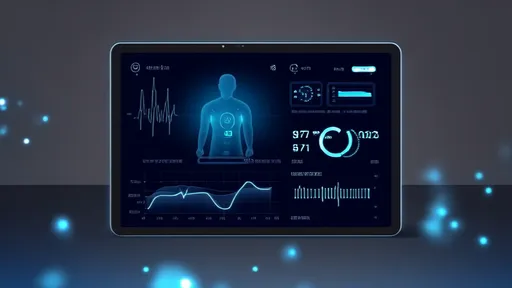
Recent studies are exploring personalized hydration strategies based on genetic markers and microbiome analysis. Some research suggests that certain gut bacteria may influence electrolyte absorption efficiency. Other investigations focus on optimizing the sodium-to-glucose ratio in sports drinks to enhance fluid uptake. As wearable technology advances, real-time monitoring of hydration status may become possible, allowing for precise adjustments during exercise.
The relationship between hydration and performance continues to evolve with new scientific discoveries. What remains constant is the fundamental importance of maintaining electrolyte balance during physical activity. By understanding and applying these principles, athletes at all levels can improve their performance, recovery, and overall health.

By /Jul 14, 2025

By /Jul 14, 2025
By /Jul 14, 2025

By /Jul 14, 2025

By /Jul 14, 2025

By /Jul 14, 2025
By /Jul 14, 2025
By /Jul 14, 2025

By /Jul 14, 2025
By /Jul 14, 2025

By /Jul 14, 2025

By /Jul 14, 2025

By /Jul 14, 2025

By /Jul 14, 2025

By /Jul 14, 2025

By /Jul 14, 2025

By /Jul 14, 2025
By /Jul 14, 2025

By /Jul 14, 2025

By /Jul 14, 2025
