Age-Adjusted Flexibility Training Program

Jul 14, 2025 By

Flexibility training is often overlooked in fitness routines, yet it plays a crucial role in maintaining mobility, preventing injuries, and enhancing overall physical performance. What many people don’t realize is that flexibility needs change as we age. A one-size-fits-all approach doesn’t work—what benefits a teenager might not be suitable for a middle-aged adult or a senior. Understanding how to adjust flexibility training across different life stages can make the difference between a sustainable practice and one that leads to strain or injury.

The Foundation of Flexibility

Before diving into age-specific adjustments, it’s important to grasp why flexibility matters. Our muscles, tendons, and ligaments naturally lose elasticity over time. Collagen production decreases, joints become stiffer, and muscle mass diminishes. Without proper maintenance, these changes can lead to reduced range of motion, discomfort, and even chronic pain. Flexibility training helps counteract these effects by promoting blood flow, lengthening muscle fibers, and improving joint function. However, the intensity, duration, and type of stretching must evolve with age to remain effective and safe.

Childhood and Adolescence: Building a Strong Base

Young bodies are remarkably adaptable. Children and teenagers often exhibit natural flexibility, but this doesn’t mean they should skip structured training. In fact, this is the ideal time to establish healthy habits. Dynamic stretches—like leg swings, arm circles, and torso twists—work well for this age group. These movements prepare the body for physical activity without overstretching growing muscles and joints. Sports like gymnastics, dance, or martial arts can also incorporate playful yet purposeful flexibility drills. The key is to avoid forcing stretches, as overstretching in youth can lead to hypermobility or instability later in life.

Early Adulthood: Maintaining and Refining

In their 20s and 30s, most people experience peak physical condition, but this is also when flexibility begins its slow decline if neglected. Sedentary lifestyles, prolonged sitting, and repetitive movements (like those in desk jobs) contribute to muscle tightness. A mix of dynamic and static stretching is effective here. Yoga or Pilates can be excellent choices, offering both flexibility and strength benefits. Adults in this age group should focus on areas prone to stiffness, such as the hips, hamstrings, and shoulders. Consistency is crucial—flexibility lost now is harder to regain later.

Middle Age: Adapting to Changing Needs

By the 40s and 50s, the body’s resilience isn’t what it once was. Muscle elasticity decreases, and recovery takes longer. Overstretching becomes a real risk, so gentle, controlled movements are essential. Proprioceptive neuromuscular facilitation (PNF) stretching, which involves contracting and relaxing muscles, can be particularly beneficial. This method improves flexibility without straining tissues. Foam rolling and myofascial release techniques also help address tightness caused by years of wear and tear. It’s wise to prioritize functional flexibility—mobility that supports daily activities like bending, reaching, or lifting—rather than extreme stretches.

Seniors: Safety and Sustainability

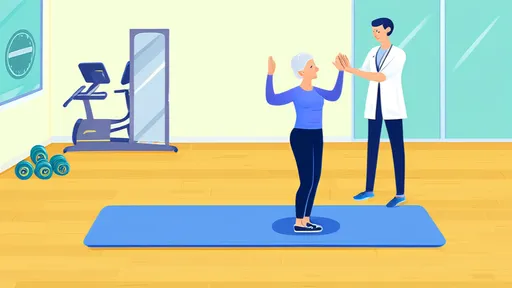
For those aged 60 and beyond, flexibility training must prioritize safety. Joints are more vulnerable, and balance may be compromised. Static stretches should be held longer but with minimal force, focusing on major muscle groups like the calves, quadriceps, and lower back. Chair yoga or tai chi are superb options, as they emphasize slow, deliberate movements that enhance flexibility while reducing fall risk. Warm-ups are non-negotiable; cold muscles are more prone to tears. Seniors should also listen closely to their bodies, avoiding any movement that causes pain or discomfort.

Common Pitfalls Across All Ages

Regardless of age, some mistakes are universal. Skipping warm-ups, bouncing during stretches (ballistic stretching), or pushing past pain are recipes for injury. Flexibility gains are gradual—forcing progress leads to setbacks. Hydration and nutrition also play roles; dehydrated muscles are less pliable, and deficiencies in minerals like magnesium can increase cramping. Lastly, flexibility shouldn’t exist in a vacuum. Pairing it with strength training ensures that muscles can support their newfound range of motion.

Tailoring the Approach

The most effective flexibility programs are those adapted to individual needs, not just age. Factors like injury history, activity level, and specific goals must inform the routine. A former athlete in their 50s will have different requirements than a sedentary peer. Consulting a physical therapist or certified trainer can provide personalized guidance. Technology, too, offers tools—wearables that track range of motion or apps that guide age-appropriate routines can be invaluable.

The Long-Term Perspective

Flexibility training isn’t about touching your toes or achieving splits; it’s about moving through life with ease. The adjustments made at each stage ensure that the practice remains beneficial, not burdensome. Starting young sets a foundation, middle age demands mindfulness, and later years require gentleness. By respecting the body’s evolving needs, flexibility becomes a lifelong ally—one that supports independence, vitality, and well-being far into the future.

Recommend Posts
Health

Advancements in the Clinical Application of Music Therapy

By /Jul 14, 2025

The integration of music therapy into mainstream healthcare has gained remarkable momentum in recent years. Once considered an alternative or complementary approach, it now occupies a legitimate space in clinical settings, backed by a growing body of empirical evidence. Hospitals, rehabilitation centers, and mental health facilities increasingly recognize its potential to address complex physiological and psychological conditions. Unlike pharmacological interventions, music therapy offers a non-invasive, patient-centered modality that resonates across age groups and cultural boundaries.
Health

Psychological Research on Pet Companionship

By /Jul 14, 2025

The bond between humans and their pets has fascinated psychologists for decades, revealing profound insights into the emotional and psychological benefits of animal companionship. What begins as a simple relationship often evolves into a complex interplay of attachment, comfort, and mutual understanding. Researchers have delved into the mechanisms behind this connection, uncovering how pets serve as more than just companions—they become integral to our mental well-being.
Health

Physiological Indicators for Recovery After Exercise

By /Jul 14, 2025

Recovery after intense physical activity is a complex physiological process that involves multiple systems working in harmony to restore homeostasis. The human body undergoes significant stress during exercise, particularly when pushing limits in endurance or strength training. Understanding the key markers of recovery provides athletes, coaches, and fitness enthusiasts with valuable insights into optimizing performance while minimizing injury risk.
Health

Five Basic Indicators of Metabolic Health

By /Jul 14, 2025

In today’s fast-paced world, maintaining metabolic health has become a cornerstone of overall well-being. The term "metabolic health" refers to the optimal functioning of biochemical processes that sustain life, including energy production, hormone regulation, and nutrient utilization. While genetics play a role, lifestyle choices significantly influence these processes. Understanding the five foundational markers of metabolic health can empower individuals to take proactive steps toward longevity and vitality.
Health

How Social Connections Affect Stress Hormones

By /Jul 14, 2025

The intricate dance between social connections and our body's stress response has fascinated scientists for decades. At the heart of this relationship lies cortisol - often called the "stress hormone" - which ebbs and flows not just in response to threats, but to the quality of our human bonds. What emerges from contemporary research is a paradoxical truth: while loneliness can send cortisol levels soaring, the right kind of social support acts as a biological buffer, softening stress's sharp edges.
Health

Optimal Frequency and Duration of Resistance Training

By /Jul 14, 2025

In the realm of fitness, resistance training has emerged as a cornerstone for building strength, enhancing muscle tone, and improving overall health. However, one of the most common questions among enthusiasts and beginners alike revolves around the optimal frequency and duration of these workouts. Striking the right balance is crucial to maximize gains while minimizing the risk of injury or burnout.
Health

Digital Management Tools for Sleep Hygiene

By /Jul 14, 2025

The intersection of sleep hygiene and digital technology has given rise to a new generation of management tools that promise to revolutionize how we approach rest. As insomnia and sleep disorders reach epidemic proportions globally, these innovative solutions blend behavioral science with cutting-edge tech to help users reclaim their nights. The market now brims with applications and devices that go far beyond basic sleep tracking, offering comprehensive ecosystems for sleep optimization.
Health

Electrolyte Balance Formula for Sports Hydration"

By /Jul 14, 2025

Maintaining proper hydration and electrolyte balance is crucial for athletes and fitness enthusiasts. The human body relies on a delicate equilibrium of fluids and minerals to perform at its peak during physical activity. When this balance is disrupted, performance suffers, and the risk of adverse health effects increases. Understanding the science behind fluid and electrolyte replacement can help individuals optimize their workouts and recovery.
Health

The Auxiliary Role of Breathing Exercises in Hypertension

By /Jul 14, 2025

In recent years, the role of breathing exercises in managing hypertension has gained considerable attention among healthcare professionals and patients alike. While medication remains a cornerstone in blood pressure control, complementary approaches such as controlled breathing techniques are increasingly recognized for their potential to support cardiovascular health. The connection between respiration and blood pressure regulation is deeply rooted in our physiology, offering a natural pathway to influence autonomic nervous system activity.
Health

Differences in Exercise Prescriptions for Different Body Mass Index Categories

By /Jul 14, 2025

Physical activity is universally acknowledged as a cornerstone of health, yet not all exercise regimens yield equal benefits across different body types. The concept of tailoring workout plans based on body mass index (BMI) has gained traction among fitness professionals and healthcare providers. This approach recognizes that individuals with varying BMI classifications—underweight, normal weight, overweight, or obese—have distinct physiological needs, risks, and capabilities. Crafting exercise prescriptions that account for these differences can optimize outcomes while minimizing injury risks.
Health

Risk Management in High-Intensity Interval Training

By /Jul 14, 2025

High-intensity interval training (HIIT) has surged in popularity over the past decade, celebrated for its efficiency in burning calories and improving cardiovascular health. However, as with any form of intense physical activity, HIIT carries inherent risks that must be carefully managed to prevent injury and ensure long-term benefits. Understanding these risks and implementing proper safety measures can make the difference between a productive workout and a debilitating setback.
Health

Scientific Methods for Recording Emotional Diaries

By /Jul 14, 2025

In our fast-paced modern world, where stress and anxiety have become constant companions for many, maintaining an emotion journal has emerged as a powerful tool for self-awareness and mental wellbeing. Unlike traditional diaries that focus on recounting daily events, emotion journals dive deeper into the psychological landscape, helping individuals track, understand, and ultimately regulate their emotional patterns.
Health

The Role of Natural Light in Mood Regulation

By /Jul 14, 2025

The interplay between natural light exposure and emotional regulation has fascinated scientists and wellness practitioners for decades. As modern life increasingly moves indoors, understanding how sunlight shapes our psychological wellbeing becomes not just academically interesting but clinically relevant. Emerging research continues to reveal the profound ways daylight interacts with our neurochemistry, circadian rhythms, and ultimately, our emotional resilience.
Health

Neuroscientific Basis of Mindful Breathing

By /Jul 14, 2025

The practice of mindful breathing has long been associated with mental clarity and emotional balance, but recent advances in neuroscience have begun to uncover the biological mechanisms behind its benefits. Researchers are now able to pinpoint how this ancient technique influences brain function, offering a scientific perspective on why something as simple as focusing on the breath can have profound effects on the mind and body.
Health

The Application of Color Psychology in Home Environments

By /Jul 14, 2025

The interplay between color and human psychology has fascinated researchers and designers for centuries. When applied to residential spaces, this relationship transforms from academic curiosity to daily lived experience. The hues we surround ourselves with at home don't just decorate our walls—they shape our emotions, influence our behaviors, and even alter our perception of space and time.
Health

Cognitive Restructuring Practice Training

By /Jul 14, 2025

The human mind is a complex landscape where thoughts, emotions, and perceptions constantly interact. Often, our interpretation of events shapes our emotional responses more than the events themselves. This is where cognitive restructuring comes into play—a powerful psychological tool that helps individuals identify and alter maladaptive thought patterns. Unlike superficial positive thinking, it involves deep, systematic examination of one’s cognitive processes to foster healthier mental habits.
Health

Recovery Strategies for Decision Fatigue

By /Jul 14, 2025

Decision fatigue has become an increasingly prevalent issue in our fast-paced modern world. The constant barrage of choices we face daily - from what to wear in the morning to critical career moves - gradually depletes our mental resources. This phenomenon doesn't discriminate; it affects CEOs and stay-at-home parents alike, manifesting as irritability, procrastination, or impulsive choices when our cognitive reserves run low.
Health

New Insights into Purine Control in Gout Management

By /Jul 14, 2025

Recent advancements in the understanding of gout management have shifted the focus from strict dietary purine restriction to a more nuanced approach. For decades, patients with gout were advised to avoid high-purine foods entirely, but emerging research suggests that the relationship between dietary purines and serum uric acid levels is more complex than previously thought. This new perspective emphasizes individualized care, considering factors such as metabolic health, genetics, and overall dietary patterns rather than blanket prohibitions.
Health

Mechanisms of Balance Training for Fall Prevention

By /Jul 14, 2025

Falls among older adults represent a significant public health concern, often leading to severe injuries, reduced mobility, and diminished quality of life. One of the most effective strategies for preventing falls is balance training, which targets the underlying physiological and neuromuscular mechanisms that contribute to stability. Understanding how balance training works to mitigate fall risk requires an exploration of the body's complex systems that maintain equilibrium, as well as the ways in which targeted exercises can enhance these systems.
Health

Age-Adjusted Flexibility Training Program

By /Jul 14, 2025

Flexibility training is often overlooked in fitness routines, yet it plays a crucial role in maintaining mobility, preventing injuries, and enhancing overall physical performance. What many people don’t realize is that flexibility needs change as we age. A one-size-fits-all approach doesn’t work—what benefits a teenager might not be suitable for a middle-aged adult or a senior. Understanding how to adjust flexibility training across different life stages can make the difference between a sustainable practice and one that leads to strain or injury.