The human mind is a complex landscape where thoughts, emotions, and perceptions constantly interact. Often, our interpretation of events shapes our emotional responses more than the events themselves. This is where cognitive restructuring comes into play—a powerful psychological tool that helps individuals identify and alter maladaptive thought patterns. Unlike superficial positive thinking, it involves deep, systematic examination of one’s cognitive processes to foster healthier mental habits.
At its core, cognitive restructuring is rooted in cognitive-behavioral therapy (CBT), a well-established therapeutic approach. The premise is simple yet profound: our thoughts influence our feelings and behaviors. By changing distorted or irrational thoughts, we can transform emotional responses and actions. This practice is particularly effective for managing anxiety, depression, and stress-related disorders, though its applications extend far beyond clinical settings.
The Mechanics of Cognitive Restructuring
Cognitive restructuring begins with self-awareness. Individuals learn to catch themselves in the act of negative or irrational thinking. Common cognitive distortions include catastrophizing (expecting the worst), black-and-white thinking (viewing situations in extremes), and personalization (assuming undue responsibility for external events). Recognizing these patterns is the first step toward change.
Once identified, the next phase involves challenging these thoughts. This doesn’t mean replacing negative thoughts with forced positivity. Instead, it’s about evaluating the evidence for and against a particular thought. For instance, someone who believes "I always fail" might examine past successes to counter this blanket statement. The goal is to arrive at a more balanced, realistic perspective.
Practical Applications in Daily Life
Cognitive restructuring isn’t confined to therapy sessions. Many people incorporate it into their daily routines through journaling or mindfulness practices. Writing down negative thoughts and systematically dissecting them can reveal underlying irrationalities. Over time, this practice builds mental resilience, enabling individuals to respond to challenges with greater clarity and less emotional turmoil.
Workplaces are also beginning to recognize the value of cognitive restructuring. Employees trained in these techniques report lower stress levels and improved problem-solving abilities. In high-pressure environments, the ability to reframe setbacks as learning opportunities rather than failures can enhance both performance and job satisfaction.
The Science Behind the Practice
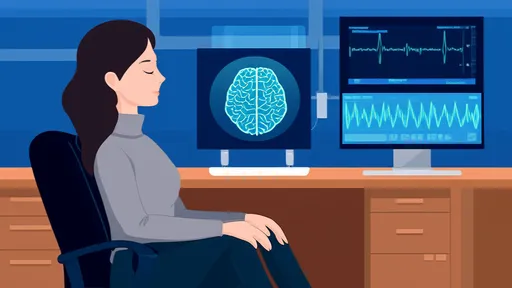
Research supports the efficacy of cognitive restructuring. Neuroimaging studies suggest that consistent practice can lead to physical changes in the brain, particularly in areas associated with emotional regulation and decision-making. This neuroplasticity—the brain’s ability to reorganize itself—underscores the potential for lasting change. It’s not merely about thinking differently; it’s about rewiring neural pathways.
Studies have also shown that cognitive restructuring can reduce symptoms of chronic conditions like PTSD and OCD. By altering the thought patterns that fuel these disorders, individuals often experience significant relief. The approach is versatile, adaptable to various contexts and populations, from adolescents struggling with self-esteem to older adults facing life transitions.
Challenges and Misconceptions
Despite its benefits, cognitive restructuring isn’t a quick fix. It requires patience and consistent effort. Some people mistakenly believe it’s about suppressing negative emotions, but the opposite is true. The practice encourages acknowledging and processing emotions while preventing them from being distorted by irrational thoughts.
Another challenge is the initial discomfort of confronting deeply ingrained beliefs. Many find it unsettling to question long-held assumptions about themselves or the world. However, this discomfort is often a sign of growth, as it marks the beginning of breaking free from limiting mental frameworks.
Future Directions and Integration
As mental health awareness grows, cognitive restructuring is gaining traction in non-clinical spheres. Schools are introducing it to help students manage academic pressure, and athletes use it to overcome performance anxiety. The digital age has also seen a rise in apps designed to guide users through the process, making it more accessible than ever.
The integration of cognitive restructuring with other wellness practices, such as meditation and physical exercise, is another promising avenue. Holistic approaches that address both mind and body tend to yield the most sustainable results. As research continues to evolve, the potential applications of cognitive restructuring will likely expand, offering new ways to enhance mental well-being across diverse populations.
In a world where stress and uncertainty are often unavoidable, cognitive restructuring provides a toolkit for navigating life’s challenges with greater equanimity. By learning to reshape our thoughts, we can transform not only our emotional landscape but also our overall quality of life.

By /Jul 14, 2025

By /Jul 14, 2025

By /Jul 14, 2025

By /Jul 14, 2025

By /Jul 14, 2025

By /Jul 14, 2025

By /Jul 14, 2025

By /Jul 14, 2025

By /Jul 14, 2025

By /Jul 14, 2025

By /Jul 14, 2025

By /Jul 14, 2025

By /Jul 14, 2025
By /Jul 14, 2025

By /Jul 14, 2025

By /Jul 14, 2025
By /Jul 14, 2025

By /Jul 14, 2025

By /Jul 14, 2025

By /Jul 14, 2025
